
Imagine this: It’s August, 95 degrees, and your AC just sputtered its last gasp. Or perhaps it’s January, freezing rain outside, and your furnace decided to clock out permanently. That sudden, gut-wrenching dread? We know it well here in Virginia Beach.
Nobody wants to face an unexpected HVAC breakdown, especially when the weather is at its most extreme. Beyond the sheer discomfort, that emergency repair bill can hit your wallet like a sucker punch you never saw coming.
The good news is, many HVAC crises aren’t really "crises" at all—they're entirely preventable. You just need the inside scoop. Keep reading, and we'll show you exactly how to keep your home comfortable, your system running smoothly, and your hard-earned cash right where it belongs: in your pocket.
The Foundation: Why Preventative Maintenance Isn't Optional (Especially in VA Beach)
You wouldn't drive your car for years without an oil change, right? Yet, many homeowners treat their HVAC system as an "out of sight, out of mind" appliance until it's too late. Here in Virginia Beach, with our brutal humidity, salty air, and wild temperature swings, that approach is a recipe for disaster. Your HVAC works harder than systems in more temperate zones.
Think of preventative maintenance not as an expense, but as an investment. It’s about more than just a quick filter swap; it’s a thorough check-up that addresses the unique stresses our coastal environment puts on your heating and cooling. Regular professional tune-ups keep your system humming, instead of screaming for help.
Ignoring preventative maintenance is like gambling with your home comfort. When you skip it, you're not just risking a minor repair; you're setting the stage for major system failures, skyrocketing energy bills, and potentially a complete shutdown right when you need it most. It’s simple: a well-maintained system runs more reliably and efficiently.
The Real Perks of a Proactive HVAC Plan:
- Saves You Money: Catching small issues early prevents them from escalating into costly breakdowns. Plus, an efficient system uses less energy, lowering your monthly bills.
- Extends System Lifespan: Just like a car, regular servicing helps your HVAC unit live a longer, healthier life. You get more years out of your significant investment.
- Better Air Quality: Clean coils and filters mean cleaner air circulating through your home, a big win for allergy sufferers and overall family health.
- Reduces Stress: Imagine the peace of mind knowing your system is ready for whatever Mother Nature throws at us, without the sudden panic of an unexpected breakdown.
Don't wait for your HVAC to send an SOS. Be proactive. It's the smartest way to ensure comfort and keep more money in your wallet, especially when living in our beautiful, yet demanding, Virginia Beach climate.
Your Role: Simple Habits to Extend Your HVAC System's Life
Look, your HVAC system isn't a set-it-and-forget-it appliance. It needs a little love and attention from you to truly thrive.
Think of it as protecting your investment and, more importantly, your year-round comfort. The good news? The biggest impact comes from incredibly simple, often overlooked habits.
These aren't big, complicated tasks; they're quick wins that pay off huge in the long run.
Filter Finesse: Your First Line of Defense
This is the absolute easiest, most impactful thing you can do for your system. A dirty air filter chokes your unit, forcing it to work harder, consume more energy, and ultimately, die sooner.
It's like trying to run a marathon while breathing through a tiny straw. Check your filter every single month, without fail.
If it looks grey and grimy, swap it out for a fresh one. For most homes, this means replacing it every 1-3 months; it's a cheap part that saves you from massively expensive repairs.
Clear Space, Smart Settings: Outside & In
Head outside and take a look at your outdoor condenser unit. Is it buried under leaves, grass clippings, or overgrown shrubs?
Give it some room to breathe! Clear away at least two feet of space around the unit in all directions. Blocked airflow makes your system overheat and work overtime.
Indoors, be smart with your thermostat. Drastic, constant temperature changes put immense strain on your components. Opt for gradual adjustments, or better yet, let a smart thermostat handle the optimization for you.
Don't Overwork It: The Gentle Touch
Your system is tough, but it's not invincible. Avoid pushing it to extremes, especially when you're not home.
If you're out for the day or away on a Virginia Beach getaway, don't crank it down to 68 degrees or off completely before you leave. This forces it to perform a massive cooling or heating job from scratch, straining parts.
Instead, set it to a slightly higher temperature in summer (e.g., 78-80°F) or lower in winter (e.g., 60-62°F). This maintains a comfortable baseline without sending your system into a panic attack.
Early Warning Signals: Don't Ignore These Red Flags
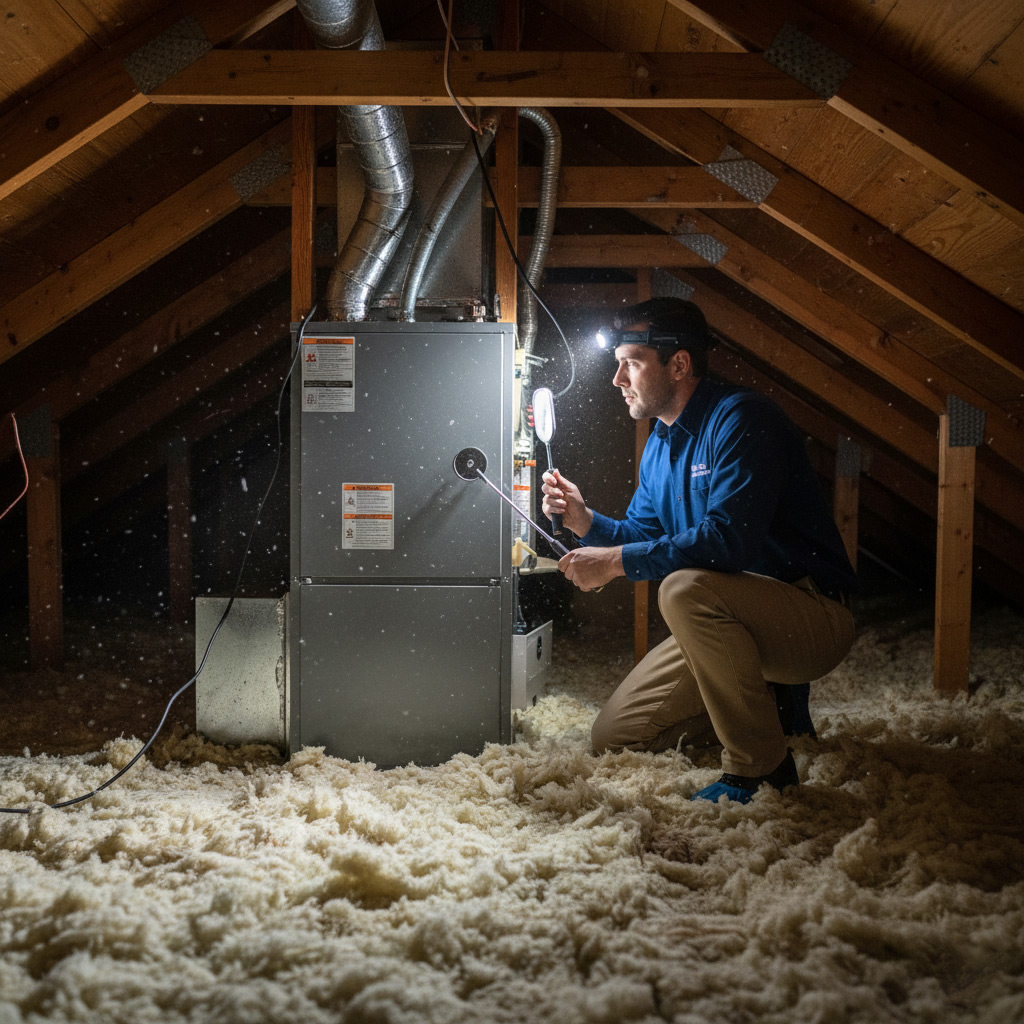
Your HVAC system rarely fails without giving you a heads-up. Think of your unit as a living thing; it often “talks” to you through subtle clues before it throws in the towel completely. Ignoring these early warning signals is like ignoring a check engine light on your car – you’re setting yourself up for a much bigger, more expensive problem down the road.
Pay close attention to what your system is telling you. Are you hearing strange grinding, squealing, or banging noises that weren't there before? Do you smell something off – a burning odor, a musty scent from the vents, or even a faint gas smell? These aren't just quirks; they're urgent messages from your equipment indicating components are failing, motors are struggling, or potentially dangerous leaks exist.
Beyond sounds and smells, watch for changes in performance and your wallet. Is the airflow from your vents weaker than usual? Are certain rooms suddenly much hotter or colder than others, despite the thermostat setting? And perhaps the most telling sign: have your energy bills inexplicably shot up, even if you haven't changed your usage habits? These symptoms point directly to an inefficient system that’s working too hard, wasting energy, and likely on the verge of a major breakdown.
Key Indicators to Watch For:
- Unusual Noises: Grinding, squealing, rattling, or banging sounds often signal worn-out bearings, loose parts, or a struggling motor.
- Odd Smells: A burning odor could mean electrical issues; a musty smell indicates mold or mildew; a gas-like smell definitely needs immediate professional attention.
- Weak Airflow: This suggests duct issues, a failing fan, or a clogged filter.
- Inconsistent Temperatures: Hot and cold spots in your home indicate poor distribution or a system struggling to condition the air evenly.
- Higher Energy Bills: If your bills spike without explanation, your system is likely losing its efficiency and consuming more power to do less.
- Frequent Cycling: If your unit turns on and off constantly, it could be oversized, low on refrigerant, or experiencing electrical problems. This is often called "short cycling."
- Water Leaks: Puddles around your indoor unit or furnace could signal a clogged condensate drain, a serious issue that can lead to water damage and mold.
Understanding these signs is your first line of defense. Don't procrastinate when you notice them. Addressing a small problem now can prevent an emergency repair that leaves you scrambling in extreme Virginia Beach weather.
DIY or Call the Pros? Knowing When to Act (and When to Step Back)
When your HVAC acts up, the first thought might be, "Can I fix this myself?" For some minor issues, absolutely. There are a few key things you, as a homeowner, can and should regularly check and maintain to keep your system humming smoothly. These are the simple, safe tasks that don't require specialized tools or professional training.
Your Safe DIY Checklist
- Air Filter Replacement: This is top priority. A clogged filter chokes your system, drives up energy bills, and causes unnecessary wear. Change it every 1-3 months, especially here in dusty Virginia Beach. It’s cheap, easy, and non-negotiable.
- Clear Outdoor Unit: Keep the area around your outdoor condenser unit free of leaves, grass clippings, and other debris. Good airflow is vital for its operation. Just trim back any plants and gently hose down the coils if they look dusty.
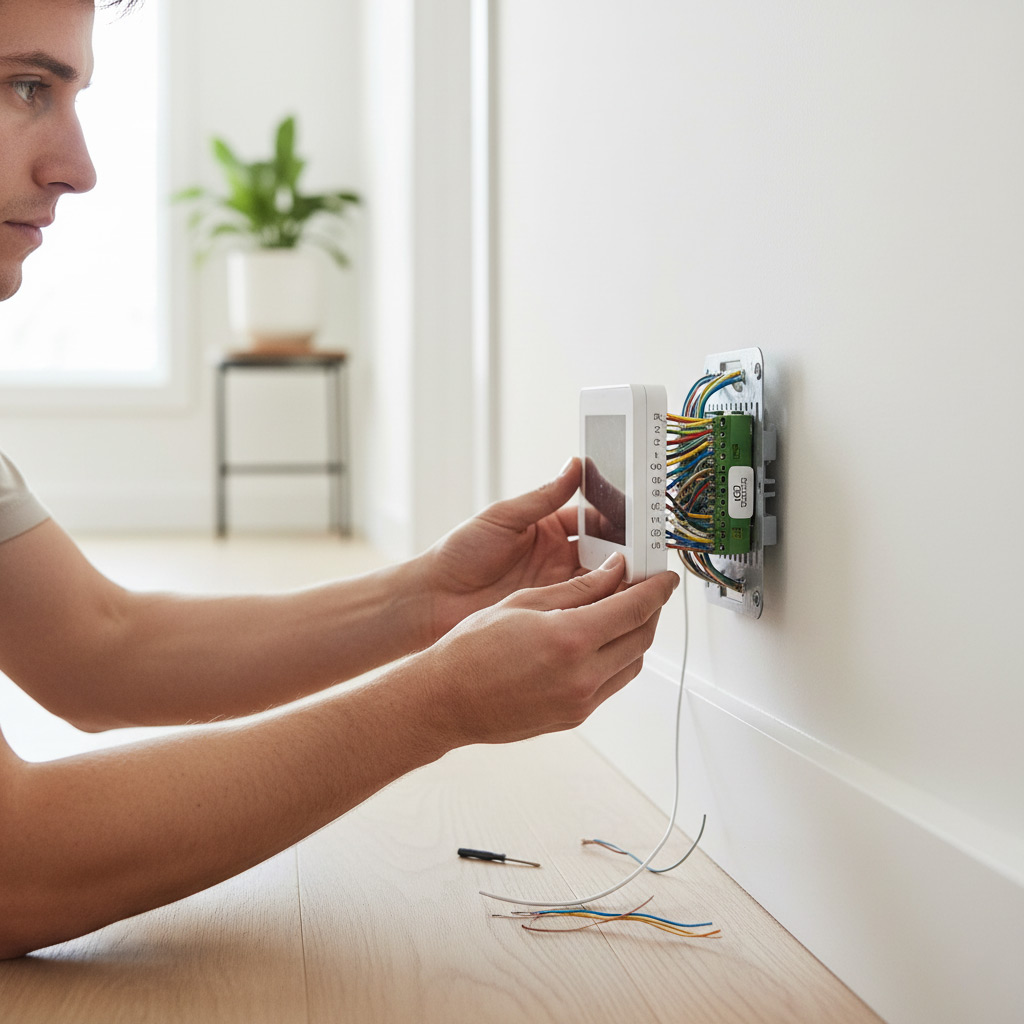
- Thermostat Check: Ensure it's set correctly for your desired comfort and replace batteries if needed. Sometimes, a dead battery is the only thing standing between you and a perfectly cool home.
These aren't just suggestions; they’re fundamental steps that prevent minor annoyances from escalating into major repair bills. Do them consistently, and you’re already significantly reducing your risk of a breakdown. This is proactive comfort, pure and simple.
However, there's a critical line where "DIY" crosses into dangerously wrong. Any problem involving refrigerant leaks, electrical components, or unusual internal system noises requires professional attention. These aren’t just complex fixes; they can be hazardous to your safety and the longevity of your expensive HVAC system.
Attempting to patch up a refrigerant leak or tinker with high-voltage wiring isn't being resourceful; it's asking for serious trouble. You risk personal injury, making the problem significantly worse, and potentially voiding your manufacturer’s warranty. When in doubt, always default to calling certified HVAC professionals who have the right tools, knowledge, and insurance.

Case Study: How Timely Intervention Saved a Virginia Beach Homeowner Thousands
Let's talk about Sarah, a homeowner right here in Virginia Beach's North End. Last spring, she noticed her AC unit was making a slight, unfamiliar buzzing sound. It wasn't loud enough to bother the neighbors, but it definitely wasn't the usual hum. Instead of shrugging it off, she thought, "Better safe than sorry."
She gave us a call. Our technician arrived, performed a quick diagnostic, and found a loose capacitor that was on the brink of failing. A tiny component, but a crucial one. If that capacitor had completely given out during the summer heat, it would have stressed the compressor, potentially causing a total system shutdown. A simple part replacement took less than an hour.
By acting fast, Sarah avoided a breakdown that would have likely led to a much more expensive compressor replacement—a repair that can easily run into thousands of dollars. Instead, her bill was minimal, her AC kept running perfectly through the brutal summer, and she didn't spend a single sweltering night without cool air. That's the power of listening to your system and acting quickly.
Beyond Repair: When Replacement Becomes Your Best Avoidance Strategy
Let's be blunt: there comes a time when fixing an old, ailing HVAC system is like trying to plug a hundred leaks in a sinking ship. You keep pouring money into it, only to face another breakdown shortly after. Here in Virginia Beach, with our demanding climate, keeping a dinosaur unit limping along often costs far more in the long run than a strategic upgrade.
Recognizing the Tipping Point
How do you know when you’ve hit that point? Keep an eye out for these tell-tale signs. If your unit is facing frequent breakdowns—meaning more than one or two service calls a year—it's a massive red flag. Another clear indicator is your energy bill suddenly shooting through the roof, because an inefficient system works harder and costs you more every single month.
- Your system is over 10-12 years old (for AC) or 15+ years (for a furnace).
- Major component failure, like a compressor or heat exchanger, which are often very expensive to replace.
- You notice inconsistent heating or cooling across different rooms, signaling a system struggling to keep up.
Consider replacement not as an expense, but as your ultimate repair avoidance strategy. A new, high-efficiency system means saying goodbye to unexpected emergency calls and hello to reliable comfort. You’ll also enjoy significantly lower monthly utility bills, better indoor air quality, and the priceless peace of mind knowing your Virginia Beach home will stay perfectly comfortable, no matter the weather outside.
Final Words: Keeping Your VA Beach Home Comfortable Year-Round.
You've just read how simple actions can prevent major headaches and hefty bills. In a place like Virginia Beach, where the weather swings from oppressive humidity to bitter cold, your HVAC system isn't just a luxury—it's essential for your family's health and comfort. Ignoring it is like playing Russian roulette with your home's most critical comfort appliance.
The goal isn't just to fix problems; it's to avoid them altogether. By understanding your system, recognizing warning signs, and investing in smart preventative care, you're securing your peace of mind. This proactive approach protects your budget from those sudden, unexpected financial jolts.
Even with the best intentions and diligent care, sometimes issues do arise. When they do, knowing you have a reliable partner ready to step in quickly and professionally makes all the difference. For comprehensive support and expert help with any HVAC repair needs, remember that local professionals are here to keep your Virginia Beach home perfectly comfortable, no matter what the forecast brings.
Need HVAC?
We provide expedited services for prompt, tangible outcomes throughout Virginia Beach, VA and surrounding communities (23451, 23452, 23462, 23320, 23507).
Request an Estimate